Prepositions After Verbs for Kids
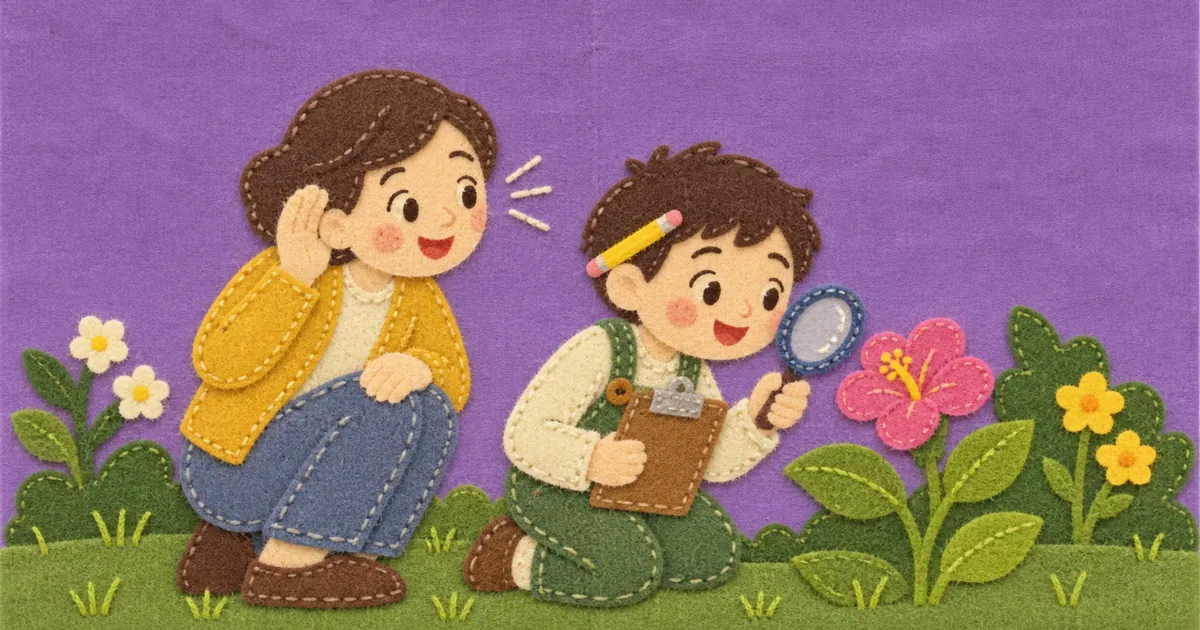
Prepositions After Verbs: A Practical Guide to “Listen to” and “Look at” for Kids teaches one rule: use “listen to” before a sound source and “look at” before an object of attention. Say, “Listen to the song” or “Look at the picture.” The preposition connects the verb to its object. Learning each pair as a chunk supports statements, questions, instructions, and verb tenses.
📥 Verb + Preposition Practice
Listen to, look at, and other useful verb patterns
Leave your email — we'll send the PDF to your inbox.No spam — the PDF plus one short reminder. Unsubscribe anytime.
What Children Need to Understand
Listening and looking target something. We listen to a voice, story, or music. We look at a face, screen, or page. The preposition links each action to its target.
When families use Prepositions After Verbs: A Practical Guide to “Listen to” and “Look at” for Kids at home, practise the whole pair: “listen to” and “look at.” Complete chunks strengthen recall.
Multilingual children may omit the preposition because another language uses a different structure. Model the sentence briefly: “Listen to the story. Try the whole sentence again.”
How the Grammar Works
The pattern in Prepositions After Verbs: A Practical Guide to “Listen to” and “Look at” for Kids is verb + preposition + object. In “look at the board,” look is the verb, at the preposition, and the board the object.
The object may be a noun or object pronoun: “Listen to your tutor,” “Listen to her,” “Look at the books,” or “Look at them.” After a preposition, use me, him, her, us, or them, not I, he, she, we, or they.
The verb changes with tense and subject; the preposition stays: “She listens to music,” “They listened to a story,” and “We are looking at the map.” Questions and negatives keep the pair: “Do you listen to podcasts?” and “He did not look at the answer.”
How a Different Preposition Changes the Meaning
Prepositions After Verbs: A Practical Guide to “Listen to” and “Look at” for Kids covers two fixed pairs. Related patterns may keep the verb but change the meaning through another preposition. Comparison prevents treating prepositions as interchangeable.
Contrast pairs through actions. A child can “look at the key” while it is visible, then “look for the key” after it is hidden. Looking changes to searching.
Rules and Examples Children Can Reuse
Begin with short instructions: “Listen to me,” “Look at the first word,” and “Listen to the question.” Then make statements: “I listen to my teacher” and “We look at new words.”
Ask experience-based questions: “What do you listen to before bed?” or “What are you looking at now?” Complete answers repeat the pattern: “I listen to stories” or “I am looking at a picture.”
Older learners can expand the object: “Listen to the speaker who gives the first instruction” or “Look at the words written in green.” Longer noun phrases keep the preposition directly after the verb.
Common Mistakes and Clear Corrections
Children may drop the preposition: “Listen the song” or “Look the picture.” Model the full sentence without disrupting meaning: “Listen to the song.” Request one complete repetition because repeating only “to” does not practise its sentence position.
Children may add a second preposition: “Look at to the board.” Model one chunk: “Look at the board.” For a subject pronoun after the preposition, correct “Listen to she” with “Listen to her.”
Use Prepositions After Verbs: A Practical Guide to “Listen to” and “Look at” for Kids for focused correction. Practise one pattern briefly. After correct use, respond to the child’s message and grammar.
Practice Activities at Home or in Lessons
Use room objects, a short audio clip, or a familiar book. Give one instruction, then let the child instruct you. Switching roles tests independent use.
Choose the Missing Preposition
Complete each sentence with to or at.
1. Listen ___ the short recording.
2. Look ___ the second picture.
3. We listened ___ our tutor.
4. She is looking ___ the new words.
5. Do you listen ___ music while drawing?
Answers: 1. to; 2. at; 3. to; 4. at; 5. to.
Ask the child to read each completed sentence aloud. The goal is producing the entire verb-preposition pair, not writing one missing word.
Find and Fix the Mistake
Correct each sentence.
1. Look the map.
2. Please listen your partner.
3. We are looking to the answer.
4. Listen at this sound.
5. The class listened to she.
Answers: 1. Look at the map. 2. Please listen to your partner. 3. We are looking at the answer. 4. Listen to this sound. 5. The class listened to her.
Finish with a two-minute instruction game. Put three objects on a table and make three different sounds. Take turns saying, “Look at the…” or “Listen to the…” Correct responses require the right action and complete phrase.
Building the Habit at Different Ages
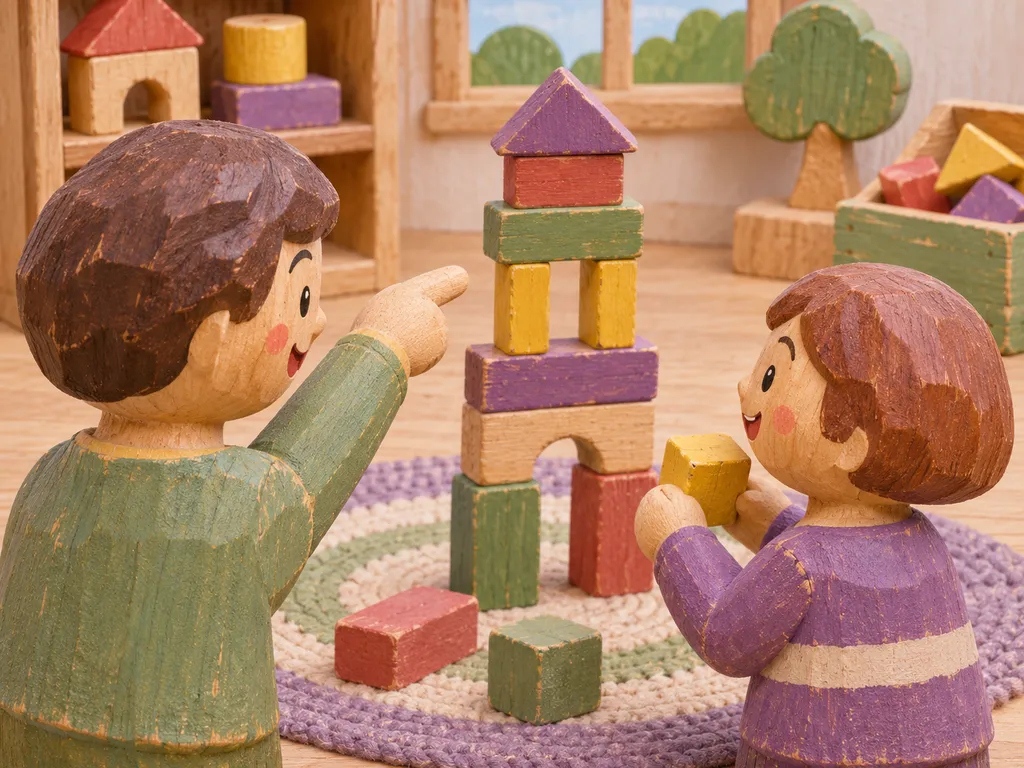
For school-age kids, combine movement, pointing, and repetition. Say “Look at the red block,” wait for the action, and repeat during play. Grammar labels are optional; the spoken chunk carries the lesson.
For school-age kids, add written choices and sentence correction. Sort examples under listen to, listen for, look at, and look for. For school-age kids, discuss each meaning change and create new contrasts.
Across LearnLink online English lessons, our tutors model these pairs through instructions, conversation, and reading. Families can reinforce them through brief weekly practice. Accurate repetition beats one long worksheet.
- Try two “listen to” commands with children ages four to six daily.
- Practice “look at” during one picture-book page with seven-year-olds each evening.
- Use five verb-preposition cards for ages eight to ten after school.
- Ask older children to correct three missing prepositions in family conversations.
- Repeat each phrase aloud twice, then invite your child to create examples.
For the rule wording, Wikipedia — English Grammar is a useful reference while the practice examples here stay adapted for children.
Frequently Asked Questions
Why Does My Child Leave Out “To” or “At”?
Your child may follow another language’s structure or focus on meaning words. Because listeners often understand “listen music,” the missing word can seem unnecessary. Model the full phrase calmly: “Yes, you listen to music.” Request one natural repetition.
Can “Listen” Be Used Without “To”?
Yes. “Listen!” is complete when no sound source or speaker is named. Use to before an object: “Listen to me,” “Listen to the rain,” or “Listen to this question.” Ask: “Did I name what someone should listen to?”
What Is the Difference Between “Look at” and “See”?
“Look at” names a deliberate action: “Look at the moon.” “See” describes what reaches the eyes or becomes noticeable: “I can see the moon.” A child may look at a crowded page without seeing a small detail.
Should Children Learn Several Verb-preposition Pairs Together?
Teach one or two pairs, then introduce a contrast after confident use. “Look at” and “look for” pair well because a hiding game demonstrates the difference. Too many pairs can turn speaking practice into a memory test.
What Should My Child Remember First?
Prepositions After Verbs: A Practical Guide to “Listen to” and “Look at” for Kids recommends treating each verb and preposition as one unit. First learn “listen to something” and “look at something.” Then add pronouns, questions, past forms, “listen for,” and “look for.”
If your child needs steady speaking practice, start small — choose a trial lesson.
Stay updated on our latest tips and resources by following us on Instagram LearnLink.